



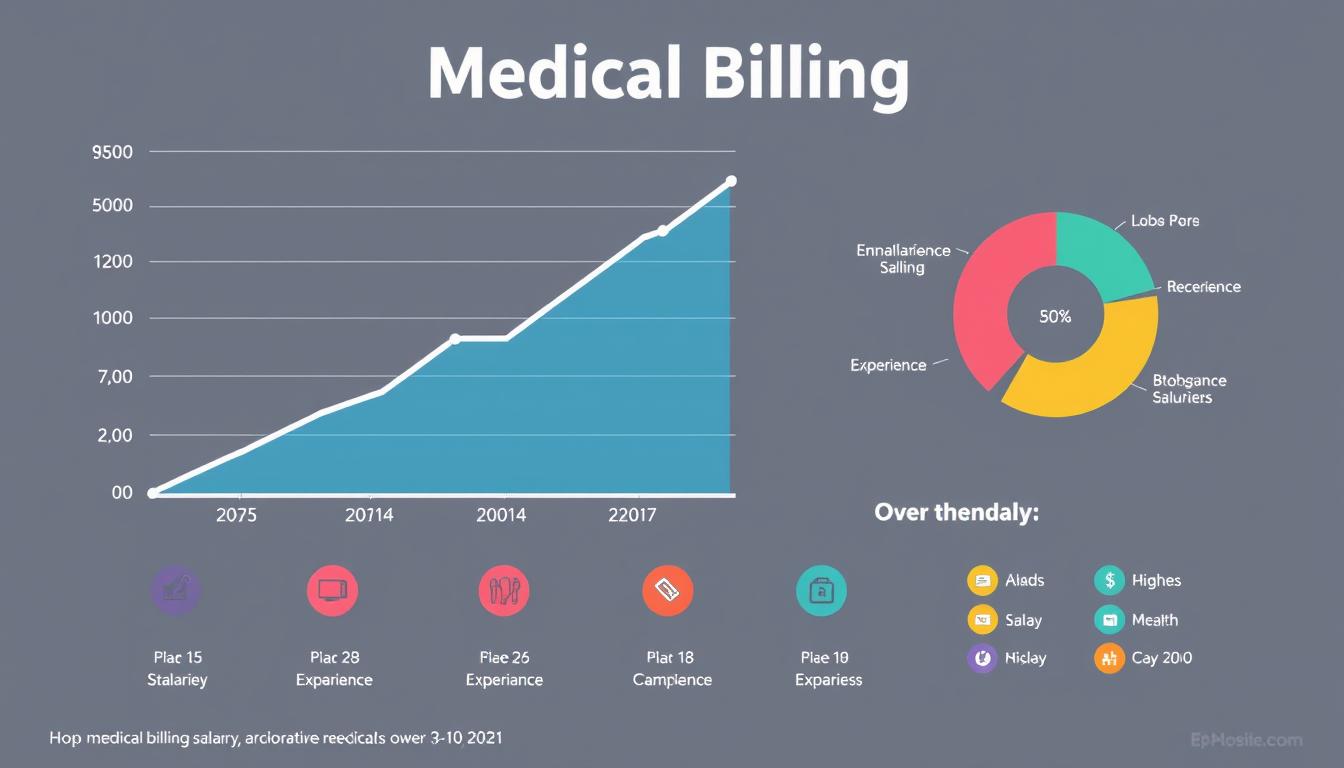
Working in medical billing means more than just sending out bills and handling payments. We’re key players in the healthcare sector, making sure the money flow matches the critical care patients receive. Let’s dive into what a medical billing salary looks like, discuss specialists’ pay, and the changing trends in medical billing income within U.S. healthcare.
Key Takeaways
- The median yearly pay for medical billers and coders is a key point, currently at $48,780, says the BLS.
- Where you work matters. Places like Vallejo-Fairfield, CA, have higher pays, with a median of $75,250.
- Cities often offer better pay than rural areas.
- The demand for medical billing and coding experts is on the rise, expecting an 8.7% job growth by 2033.
- Having a CPC certification can really boost how much you earn.
- Improving your education and keeping up with certifications are important for earning more and getting better jobs.
Understanding the Basics of Medical Billing Salaries
Medical billing is essential in healthcare systems. It’s important to know its basics if you’re considering this career. Medical billers handle payments and play a key role in managing healthcare revenue.
What Does a Medical Biller Do?
A medical biller has a crucial job. They ensure healthcare providers get paid for their services. This job involves dealing with insurance companies and talking to patients about payment plans.
Key Skills Needed for Medical Billing
Becoming a skilled medical biller requires certain abilities. One must know medical terms, coding guidelines, and insurance policies well. These skills help in submitting accurate claims quickly, avoiding denials.
Medical billing salaries differ based on location, experience, and certifications. Knowing these factors helps plan a career in medical billing, aiming for better earnings.
| Experience Level | Average Salary |
|---|---|
| Entry-Level (0-1 year) | $40,589 |
| Early Career (1-4 years) | $48,780 |
| Mid-Career (5-9 years) | $52,986 |
| Experienced (10-19 years) | $58,019 |
| Advanced (20+ years) | $64,890 |
Certifications boost a medical biller’s career and salary. Certified billers earn more. Continuous learning and earning certifications are key to success.
Thinking of being a medical biller? It’s a job that demands and rewards a mix of technical and soft skills. These help navigate the intricate world of healthcare billing.
Average Medical Billing Salary in the United States
Looking into a career in healthcare? Knowing the average salary for medical billing is key. It helps new professionals understand what to expect. It also shows how different factors can change one’s salary.
National Averages and Variances
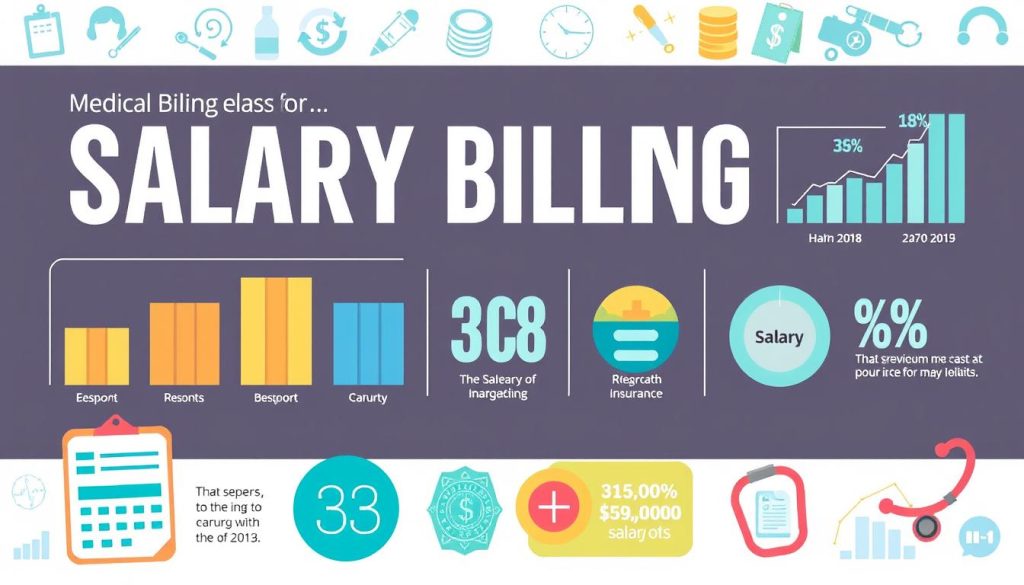
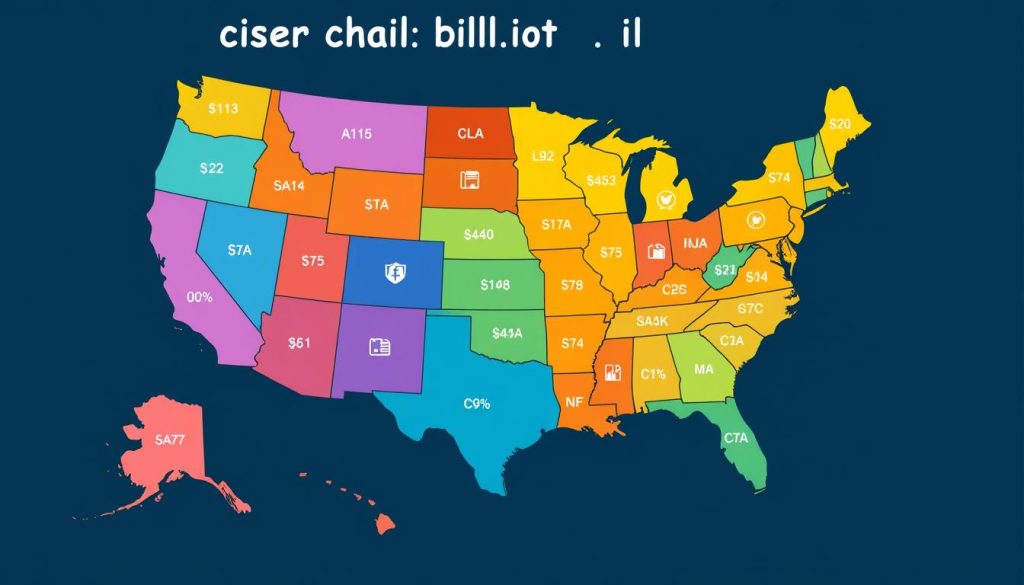
In 2022, the average salary for medical billing and coding in the US was $57,418. This number varies due to location, experience, and certification levels. For example, the District of Columbia and California have high averages of about $76,695 and $73,611. On the other hand, Indiana and Mississippi have lower averages at $47,176 and $48,908.
Every month, a Medical Billing Specialist makes around $3,918. This stable income makes it a good career choice. Medical Billing Specialists earn about $23 per hour, which is competitive with other healthcare admin roles.
Factors Influencing Salary
Certification, experience, and location are big factors that affect salaries. Certified medical records specialists earn about $56,290, much more than the $46,321 for those without certification. This shows the importance of getting certified.
Experience matters too. New Medical Billing Specialists earn around $45,839 a year. With 5-8 years of experience, they can make about $49,070. This growth shows that there’s room for advancement in this field.
Living in a city can also impact how much one earns. For instance, specialists in San Jose and San Francisco make around $59,008 and $58,773. These are above the average due to higher living costs and demand.
Understanding these key points helps medical billing professionals make smarter career choices. They can use their education and location to boost their earning potential in medical billing.
Salary Range for Entry-Level Medical Billing Positions
Entering the medical billing field means understanding your future pay. Knowing the possible entry level medical billing salary and medical billing starting pay helps set your career path. It makes planning your future steps in the industry more straightforward.
Typical Starting Salaries
Entry-level salaries in medical billing vary widely. Factors include whether you are certified and where you live. Non-certified starters might earn about $41,450 yearly, while certified ones could make around $45,460. This shows how certification can boost your starting salary.
The typical hourly rate is about $19.08, reports say. This rate puts entry-level billers well above the minimum wage in many places. It’s a solid start for those new to the sector.
Common Entry-Level Job Titles
Entry-level jobs in medical billing come with different titles. You might be a Billing Clerk, Medical Billing Assistant, or Billing Coordinator. These positions are the first steps towards a career in medical billing. They set the stage for growth in medical administration.
To learn more about how certification and skills can increase your earnings, check out resources on medical billing collections.
Starting a career in medical billing requires understanding the pay and growth opportunities. Building connections and continually learning are key to moving up. This way, you’ll match your expectations with what the industry offers, leading to satisfaction and career growth.
Experience and Its Impact on Medical Billing Salary
As medical billing and coding pros grow in their careers, they earn more. Knowing the link between medical billing salary by experience and medical billing specialist advancement is key. This link shows how more knowledge and certifications mean a higher salary.
Pay Increases with Years of Experience
The pay of medical billing specialists goes up with experience. Newbies start with a basic salary that grows over time. For example, they might start making $21.85 an hour, and after 30 years earn $35.17 an hour.
Specializations and Their Salary Influence
Specializing in medical billing and coding can also boost salaries. Those with a Certified Professional Coder (CPC) certification can earn big. A coder with a CPC might earn a median salary of $58,895, showing how much value certifications add.
In places like New Jersey and California, these specialists earn more. This shows how location and specializations can lead to better pay.
Moving up in medical billing also means getting involved in the community. Networking can open doors to jobs at insurance agencies, which pay well.
To raise a medical billing salary, build experience, keep learning, and make smart career moves. Specializing and getting certified in areas with high demand is a great strategy.
The Role of Certifications in Medical Billing Salaries
The healthcare industry is growing fast. This means there’s a big need for skilled medical billing pros. Medical billing certification is key to landing top-paying highest paying medical billing jobs. Certifications prove your skills and boost how much you can earn.
Most Valuable Certifications
The American Academy of Professional Coders (AAPC) has several important certifications. The Certified Professional Biller (CPB) and Certified Professional Compliance Officer (CPCO) stand out. These show you’re good at managing billing and following rules, making you very valuable in healthcare.
Salary Boost from Certifications
Getting certified can really increase your salary. For example, earning special credentials can mean a big uptick in yearly pay. Medical billing specialists with two AAPC certifications make about $71,130 a year. Having three or more bumps that up to $76,040.
Certifications lead to higher-paying jobs and specialized roles. They’re crucial for moving up in a medical billing career. They help whether you want to work in a small clinic or a big hospital. Certifications are your ticket to professional and financial growth.

To wrap up, getting medical billing certifications is about more than meeting job needs. It’s about creating a successful, rewarding career for yourself. As healthcare grows and billing processes change, certified pros will be in a great spot to nab the top jobs in the field.
Geographic Variations in Medical Billing Salaries
Knowing the geographic salary differences in medical billing can help you make better career choices. Some states like New York, California, and Maryland offer high salaries. But, they also have a higher cost of living.
Highest Paying States for Medical Billers
Salaries for medical billers change a lot depending on the state. In 2021, New York, California, and Maryland were among the top payers. Places like New York-Newark-Jersey City and Los Angeles-Long Beach-Anaheim offered the highest wages.
This is because these areas have many medical facilities and a lot of healthcare activities.
Cost of Living Considerations
It’s important to think about living costs when looking at salaries in medical billing. In states like California and New York, high salaries might not go as far because living there is expensive.
As a medical billing specialist, you should look at both the salary and living costs. Choose states where your salary goes further for a better quality of life and job happiness.
Industry Differences in Medical Billing Salaries
Understanding the healthcare sector salary differences is key for medical billing professionals. These differences show the impact of the medical billing industry. They also highlight the importance of your work setting.
Salaries by Healthcare Sector
In the healthcare industry, different sectors offer different pay for medical billing jobs. For example, big health organizations and specialty hospitals often pay more. This is due to the complex and large amount of services they provide. On the other hand, single doctor offices and small group practices usually pay less. This is because they have less money and fewer patients.
| Healthcare Sector | Average Salary |
|---|---|
| Large Health Systems | $51,389 |
| Inpatient Hospitals | $50,925 |
| Outpatient Hospitals | $47,773 |
| Specialty Hospitals | $43,060 |
| Solo Practices | $45,722 |
Unique Challenges in Various Industries
Working in different healthcare settings involves more than just salary. For instance, those in big health systems deal with more red tape. However, they have access to better resources and billing tech. Employees in single doctor offices might have a closer relationship with doctors and patients. But, they usually have less tech support.
The diversity in the medical billing industry impact and healthcare sector salary differences shows how your choice of setting can affect your income and job satisfaction. Every medical biller should consider these differences. This will help them make choices that fit their personal and professional aspirations.
Benefits and Perks Beyond Salary
Looking into medical billing job benefits shows us more than just paycheck numbers. Many in medical billing see big value in their benefit packages. These perks add a lot to their overall pay and help keep job happiness and loyalty high.
Common Benefits Offered
Medical billing jobs often come with various benefits, adding financial and personal value. Health, dental, and vision insurance are common, alongside 401(k) retirement plans. Employers also help with career growth, paying for more education and certification. Plus, paid time off for vacation, sick days, and personal days helps create a better work vibes.
Work-Life Balance Considerations
The idea of work-life balance in medical billing is getting more attention for job happiness. Thanks to digital tech, companies offer more remote work and flexible schedules. This makes juggling work and life easier, leading to happier employees and less stress.
The market for medical billing pros is strong, according to the U.S. Bureau of Labor Statistics. With an 8.0% growth expected from 2022 to 2030, the future looks bright. This growth fuels the need for great benefits to draw in top talent.
| Benefit | Description |
|---|---|
| Health Insurance | Covers medical, dental, and sometimes vision expenses. |
| Retirement Plans | Includes 401(k) contributions often matched by the employer. |
| Professional Development | Support for continued education and certification. |
| Flexibility | Options to work remotely or have flexible working hours. |
In conclusion, medical billing jobs offer more than just salary. The rich medical billing job benefits make these positions highly desirable. Look at the whole benefits package and the chance for a good work-life balance in medical billing when considering a job.
Job Outlook for Medical Billers
The job outlook for medical billers looks good, with growth expected in the next few years. The need for skilled billers is increasing. This is because of more older people needing medical care and more digital medical records.
Future Salary Trends
The Bureau of Labor Statistics (BLS) says that medical records specialists, like billers, made $48,780 on average in May 2023. This salary is likely to go up as more skilled professionals are needed. New technology and strict rules in healthcare mean more jobs for medical billers.
Demand for Medical Billing Professionals
Jobs for medical billers and coders are expected to grow by 8% from 2019 to 2029. This growth is faster than average for all jobs. More healthcare services and the need to manage more medical records are why.
| Year | Projected Job Openings | Average Salary |
|---|---|---|
| 2023 | 15,000 | $48,780 |
| 2029 | 29,000 | $55,000 (Est.) |
More people now work from home, which makes medical billing jobs more attractive. Also, getting a certification like Certified Professional Biller (CPB) can really help your career. It can make you earn more and secure a better job.
Looking into the future, the medical billing career prospects are not just stable, they are growing. It’s a good choice for anyone wanting a stable and fulfilling job in healthcare admin.
How to Maximize My Medical Billing Salary
I am always looking for ways to increase my worth and earnings in medical billing and coding. Knowing how to maximize my medical billing salary is key. It’s not just about having skills, but perfecting them and proving my value to employers.
Negotiating Salary Offers
Negotiating salary in medical billing is crucial. Understanding my value and expressing it well is powerful during salary talks. When offered a job, I consider the average salary of $47,200 per year. States like Washington, D.C. and California have higher averages. With my qualifications and certifications like Certified Coding Specialist – Physician-based (CCS-P) or Certified Interventional Radiology Cardiovascular Coder (CIRCC), I’m in a strong position. I can negotiate for pay that matches my skills and the cost of living in my area.
Continuing Education and its Benefits
The benefits of continuing education in this field are clear. Spending 700 to 1,000 hours on health-related courses sharpens my skills. It also makes me more appealing to big employers like hospitals, where the average salary is $57,862. Certifications like Registered Health Information Technician (RHIT) or Clinical Manager let me work in various environments.
Learning continuously opens paths to specializations. As I focus more on fields like oncology or orthopedics, my salary potential grows. The demand for skilled medical billing professionals is expected to jump by 50% soon.


